
 admin
computer scrap impact the environment
The rapid advancement of technology has led to an increase in discarded electronics, resulting in a growing concern over the environmental impact of computer scrap. When old computers, laptops, and other electronic devices are not disposed of properly, they contribute to e-waste, which has severe consequences for the environment. The toxic materials found in computer scrap can contaminate soil, water, and air, making responsible recycling an essential part of reducing electronic waste pollution.
One of the biggest environmental threats posed by computer scrap is the presence of hazardous chemicals and heavy metals. Many electronic components contain substances like lead, mercury, cadmium, and arsenic, which can seep into the ground if disposed of in landfills. When these toxic materials enter the soil, they can disrupt ecosystems, harm plant life, and eventually contaminate the food chain. Additionally, rainwater can carry these pollutants into nearby water sources, affecting drinking water quality and marine life.
Improper disposal of computer scrap also leads to air pollution. When electronic waste is burned in open-air dumps or poorly regulated facilities, it releases harmful gases and toxic fumes. The burning of plastics, which are commonly used in computer casings and components, produces dioxins and other dangerous emissions that contribute to air pollution and respiratory illnesses. Workers in informal recycling sectors, especially in developing countries, are often exposed to these harmful fumes, leading to serious health risks.
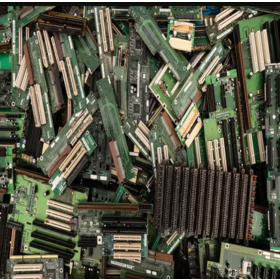
How does computer scrap impact the environment?
On the other hand, recycling computer scrap helps mitigate its environmental impact. By recovering valuable materials such as gold, silver, copper, and aluminum, recycling reduces the need for mining raw materials. Mining operations cause deforestation, soil degradation, and excessive water consumption, making e-waste recycling a more sustainable alternative. When metals are extracted from discarded computer components, they can be reused in the manufacturing of new electronics, reducing overall resource consumption and energy use.
Many businesses and individuals are now turning to online platforms like Global Sources to buy and sell wholesale computer scrap. This B2B marketplace connects buyers with verified suppliers from China, India, Korea, and other countries, ensuring that electronic waste is managed responsibly. Through Global Sources, businesses can compare prices, check minimum order quantities (MOQs), and negotiate deals with suppliers, making the trade of computer scrap more efficient and environmentally friendly. By participating in this market, companies can ensure that their e-waste is processed through proper recycling channels rather than ending up in landfills.
Another significant concern with computer scrap is the growing e-waste crisis in developing countries. Many discarded computers from developed nations are shipped overseas, where they are dismantled in unsafe conditions. Without proper protective gear, workers in these regions are exposed to toxic substances, leading to severe health problems. Implementing stricter regulations on e-waste exports and promoting ethical recycling practices can help prevent such hazardous conditions.
As the demand for electronic devices continues to rise, managing computer scrap responsibly is crucial for protecting the environment. Governments, businesses, and individuals must work together to support sustainable e-waste disposal and recycling initiatives. Whether through selling scrap to certified recyclers or purchasing bulk computer scrap for responsible processing via platforms like Global Sources, making informed choices about electronic waste can lead to a cleaner, greener future. By prioritizing recycling and reducing landfill waste, we can minimize the environmental impact of discarded electronics and move towards a more sustainable technological industry.
