
 admin
themed parties compare to other types of event marketing
Themed parties have become a popular and effective strategy within the various types of event marketing, offering a unique way for brands to engage with their audience. These events provide a fun, immersive experience that resonates with consumers, turning marketing efforts into memorable occasions. Unlike other marketing strategies, which may focus on brand awareness or product launches, themed parties create a celebratory atmosphere that draws attendees in with entertainment, creativity, and strong emotional connections. By examining how themed parties compare to other types of event marketing, we can better understand their distinctive advantages and value for brands.
One key feature that sets themed parties apart from other types of event marketing is their ability to offer an experiential marketing approach. While many marketing events—such as trade shows or webinars—focus on information dissemination and product promotion, themed parties prioritize the overall experience. These events are designed to engage all the senses, from décor and costumes to music and interactive activities. For example, a brand might host a “Roaring 20s” themed party to launch a new fashion line, incorporating vintage décor, jazz music, and themed drinks, creating an environment where attendees feel immersed in the brand’s story. This type of experience leaves a lasting impression, which can strengthen emotional connections with the brand, an element that is often harder to achieve through other marketing methods.
Another area where themed parties excel is their ability to create a sense of exclusivity. Many companies use themed parties as a way to reward loyal customers, influencers, or industry partners. These events often offer VIP access, special giveaways, or early product releases, making the attendees feel valued and appreciated. This exclusivity helps to enhance brand loyalty in a way that more general marketing tactics, such as social media campaigns or display ads, cannot replicate. By hosting a themed party that caters to a select group, brands can build stronger relationships and foster a sense of belonging among their most important customers, making them more likely to continue supporting the brand long-term.
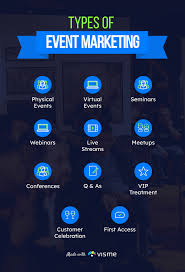
How do themed parties compare to other types of event marketing?
In addition, themed parties provide excellent opportunities for social media engagement. Unlike other types of event marketing, themed parties tend to generate high levels of organic content from attendees. Participants often take photos and videos of the event, sharing their experiences with their own social media followers. This user-generated content can significantly amplify a brand’s reach and visibility. For example, a food brand hosting a “Tropical Paradise” themed party might encourage guests to post photos with a specific hashtag, creating a buzz online. The shared content acts as authentic promotion, which tends to resonate more with consumers than traditional advertising.
Themed parties also allow brands to showcase creativity and innovation in ways that other types of event marketing may not. While virtual events, product demonstrations, and sponsorships are effective in their own right, they often rely on conventional formats. Themed parties, on the other hand, allow brands to push boundaries and design unique experiences that surprise and delight their audience. Whether it’s incorporating interactive games, live performances, or immersive technology, themed parties offer endless possibilities for creativity. This helps the brand stand out in the crowded marketplace, creating an event that attendees won’t forget.
However, themed parties also come with their own set of challenges. They tend to require higher investment in terms of time, budget, and resources compared to other types of event marketing. The level of planning and detail that goes into organizing a successful themed party—such as venue selection, event design, and entertainment—can be significant. For smaller businesses or brands with limited resources, other types of event marketing like virtual events or direct sales might be more feasible. Yet, for brands looking to create an unforgettable experience and deepen connections with their audience, themed parties remain a highly effective marketing tool.
